Repiping a two-story house is one of those projects that makes homeowners pause. It is not glamorous, and you do not get the instant satisfaction of a new kitchen backsplash. But when pipes pinhole, when the shower scalds because someone flushed a toilet, or when you see telltale stains on a first-floor ceiling, the stakes become real. A full repipe is the reset button on water reliability and interior damage risk. In 2025, material prices have stabilized from the pandemic spikes, but labor remains tight in many markets. Expect costs and timelines to reflect that reality.
I have managed and installed repipe projects in tract homes, custom builds, and townhouses. The cost range below is grounded in those jobs, not guesswork. Still, houses vary, and local codes and drywall prices move the needle. Use these numbers as a practical map, then calibrate with site-specific bids.
The 2025 cost range at a glance
For a typical two-story, three-bedroom, two-and-a-half bath home with a standard footprint around 2,000 to 2,500 square feet, a whole-house domestic water repipe in 2025 usually falls between 8,500 and 22,000 dollars. Most land between 11,000 and 17,000. Outliers push past 25,000 when access is poor, finishes are high-end plaster or tile, or the job requires fire-stopping upgrades and extensive wall repairs.
Where that estimate lands for your house depends on material choice, fixture count, floor plan complexity, ceiling type, code requirements, and the working method of the crew. Copper K-type risers cost more than PEX-B, and a home with multiple plumbing walls stacked over each other is faster to re-pipe than one with scattered wet locations at opposite corners.
What changes between a one-story and a two-story repipe
Gravity and access shape the job. Two-story homes introduce vertical risers, joist bays running perpendicular to the route you want, and the risk of water running downhill into finished spaces during cutover. You are not only tying sinks and showers into a new trunk line, you are navigating up and down, through plates, fire blocking, and sometimes engineered I-joists that you cannot notch.
In a single-story, you can often run new mains through the attic or crawlspace and drop short stubs down to each fixture. In a two-story, you either fish up from below or down from above and then cross the second-floor framing to reach bathrooms. That adds time, holes in drywall, and sometimes small soffits where none existed. A good crew minimizes holes by using existing chases, linen closets, or back-to-back vanities, but each added floor is extra labor.
Materials in 2025: copper, PEX, CPVC, and where each fits
Material choice sets the baseline cost and shapes how the crew routes the system.
Copper Type L remains the premium for visible, durable supply lines. It tolerates UV exposure better than PEX, feels solid under a torch, and can outlast the house if water chemistry is friendly. It also costs more. In 2025, type L hard copper in many regions runs 6 to 9 dollars per foot retail for common diameters, with fittings and labor on top. Soft copper for long curving runs is pricier still. Soldering in tight second-floor cavities adds labor hours and fire watch time.
PEX-A and PEX-B dominate repipe plumbing in tract homes for a reason. The cost per foot is lower than copper, fittings are quick, and long continuous runs reduce joints hidden in walls. PEX-A with expansion fittings gives full-port flow but needs specific tools. PEX-B with crimp or clamp rings is more common and entirely reliable when installed by the book. Expect PEX material to account for a smaller fraction of the bid, while labor remains the bigger driver.
CPVC shows up in some repipes, usually where local codes are comfortable with it and water temperatures stay within spec. It glues up cleanly and costs less than copper, but it is brittle under impact, can be noisy, and does not love attic heat in southern markets. Fewer contractors favor it for whole-house projects now that PEX is ubiquitous, but it is still viable in certain environments.
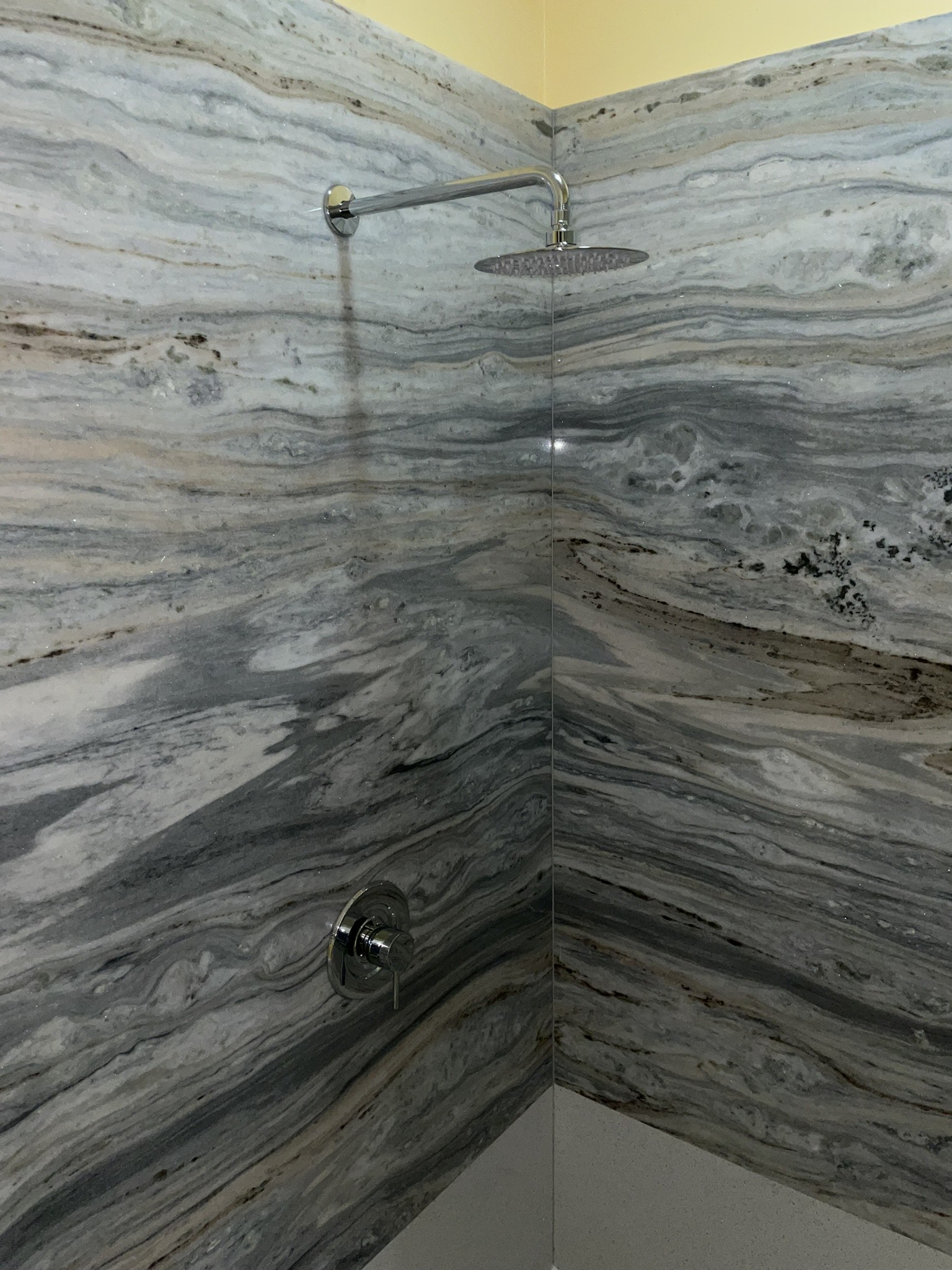
Complex houses often use a hybrid. Copper stubs at the water heater, PEX trunks and branches to fixtures, and copper through the attic for UV exposure or for stub-outs that anchor rigidly behind tile. A hybrid approach balances cost and durability and helps with clean finishes at the wall.
The anatomy of a two-story repipe
On a well-run job, you know what will happen before it starts. The contractor meets you on site, maps fixture locations, finds vertical chases, checks ceiling types, confirms joist directions, and notes special finishes. If the house still has galvanized or polybutylene, the approach shifts to minimize surprises at tear-out.
Shutoffs and staging come first. Crews protect flooring and furniture, then identify where to place new manifolds or headers. In a two-story home, main trunks usually run through the attic or crawlspace, with risers serving each bathroom stack. The crew drills plates with proper fire-stopping grommets, uses nail plates at stud penetrations, and keeps bends within manufacturer limits to maintain flow.
Cutover happens in zones. You do not lose water for days if the crew plans well. They rough-in the new system, pressure test, then switch fixtures circuit by circuit. This matters with families on site. One bathroom stays live while another is being tied in. Late in the project, the old lines come out or get capped and abandoned, depending on access and asbestos concerns.
The hidden effort is in finishing. Patching drywall on two floors, matching texture, and repainting makes or breaks the final impression. You can spot the crews who value this phase: they photograph every hole, label each with tape, and track patches per room. If you hear “you’ll need to find your own drywall guy,” push for clarity. Many plumbers subcontract patching, and that cost sits in the bid.
Typical cost breakdown
It helps to understand where the dollars go, because it explains why bids that look similar on the surface can diverge by thousands.
- Labor for plumbing: Usually 45 to 60 percent of the total on PEX jobs, 55 to 70 percent on copper jobs. Two-story routing, fire stopping, drilling through double top plates, and working around insulation all add time. Materials: 15 to 30 percent, depending on PEX vs copper and the number of fittings and valves. Full-port ball valves at every fixture group are worth the minor premium. Drywall, texture, and paint: 10 to 20 percent. Homes with smooth wall finishes or fine textures skew higher because patch blending is slow. Permits and inspections: 2 to 5 percent, depending on jurisdiction. Some cities require multiple inspections and certified test results. Contingency and overhead: 5 to 10 percent for surprises like hidden block, termite shields, or unexpected tile backing.
On a 14,000 dollar PEX repipe, you might see 7,500 for plumbing labor, 2,500 for materials, 2,000 for wall restoration, 600 for permits and inspection, and the balance for overhead and contingency. On a 22,000 dollar copper job in a high-cost metro, labor can cross 12,000, with materials near 5,000 and the rest in finishing and soft costs.
What drives cost up or down
Square footage does not tell the whole story. I have repiped compact 1,800 square foot two-story homes that were harder than sprawling 3,000 square foot plans because of access and finishes.
Dense fixture clusters drop cost. A stacked hall bath over a first-floor powder room is straightforward. A primary suite over a garage at the far end of the home means longer runs, more holes, and more time fishing through joist bays.
Ceiling type matters. A house with a full attic makes top-down routing simple. A second floor with vaulted ceilings and no attic forces you to run laterally through the first-floor ceiling, which adds drywall work and ladder time. Likewise, finished basements complicate bottom-up access.
Pipe replacement scope can extend beyond domestic water. Some homeowners add drain and vent repairs while walls are open, replace a pressure reducing valve, or upgrade an undersized main from the meter. These add-ons are worth doing if you plan to stay, but they do raise the invoice.
Water quality and code requirements set fit-out choices. High-chlorine municipal water can be harsh on certain elastomers. Some jurisdictions require copper within a certain distance of the water heater, expansion tanks, seismic strapping, hammer arrestors at laundry and dishwashers, and specific nail plate coverage. Minor items individually, but they accumulate.
PEX manifold vs trunk-and-branch in a two-story
Both layouts work. The choice affects material, labor, and how the home lives.
A central manifold with home runs gives consistent pressure and allows fixture isolation. In a two-story plan, this often sits near the water heater or under-stair closet. You run individual lines to each fixture, which increases footage but reduces tees hidden in walls. Manifolds shine in houses where shower pressure complaints have been common. The trade-off is more holes and longer routing to remote fixtures.
A trunk-and-branch layout mirrors traditional copper repipes. One main line feeds each floor, with short branches to fixtures. It uses less pipe and can be faster to install. The trade-off is shared pressure during simultaneous use. With correct sizing and modern full-port fittings, most families will not notice, but a household with back-to-back morning showers might prefer manifold control.
From a service standpoint, both systems last when properly supported and protected from abrasion and UV. Choose the layout that pairs with your floor plan and your tolerance for small access holes.
Timelines you can believe
A two-story repipe for a typical family home runs two to five working days for plumbing, plus one to three days for patch, texture, and paint. If you hear “we’ll be in and out in a day,” ask how they plan to handle testing, inspections, and finishing. Speed is useful, but water service continuity and clean finishes matter more.
Inspection schedules can add a day. Some building departments want rough and final inspections, and some require a 100 psi or 150 psi air or water test held for a set period. Plan for that, especially if you stack other trades like painters or tile installers.
If the house is occupied, a good crew stages the cutover to keep one bathroom operational overnight. In practice, that means long days for the plumbers and a little patience from the household. Vacant homes move faster, which sometimes earns a small discount.
Risks of waiting too long
Repiping is rarely anyone’s first choice. Most homeowners try patches until the patches fail too often. The tipping point usually arrives with three scenarios: multiple pinhole leaks in copper, widespread zinc erosion in galvanized lines that choke flow, or polybutylene failures where fittings turn brittle and split.
The risk calculation shifts in two-story homes because water damage costs multiply. A pinhole above a kitchen can wet insulation, stain drywall, buckle wood floors, and find the path to can lights. Insurance often covers the damage from a sudden leak but not the cost to replace a worn-out plumbing system that caused it. If you pay two or three deductibles in a year, the repipe starts to look like the cheaper option.
How to read a repipe bid
Bids that look similar on total price can hide large differences in scope. I advise homeowners to ask the same seven questions every time, and to get the answers in writing.
- What exact materials, pipe types, and fitting systems will you use, and where? Will you install new shutoff valves at every fixture and a new main shutoff? How will you handle wall and ceiling patching, texture, and paint? Where will the new main trunks run, and how many access holes do you anticipate? What is your plan to keep at least one bathroom usable each night? What inspections and pressure tests does the city require, and who schedules them? What is your warranty on both materials and labor, and what voids it?
You will be surprised how often the lowest bid shrinks scope in drywall finish, fixture shutoffs, or inspection handling. A mid-range bid that includes proper finishing and a longer labor warranty can be the better value.
Specialty cases and edge conditions
Not every two-story is a straightforward wood-framed box. Here are situations that add complexity.
Plaster-and-lath walls slow everything. Cutting clean openings without spider cracks takes time, and plaster patching requires aim and patience. Expect the drywall portion of the bid to rise 25 to 50 percent in homes with true plaster.
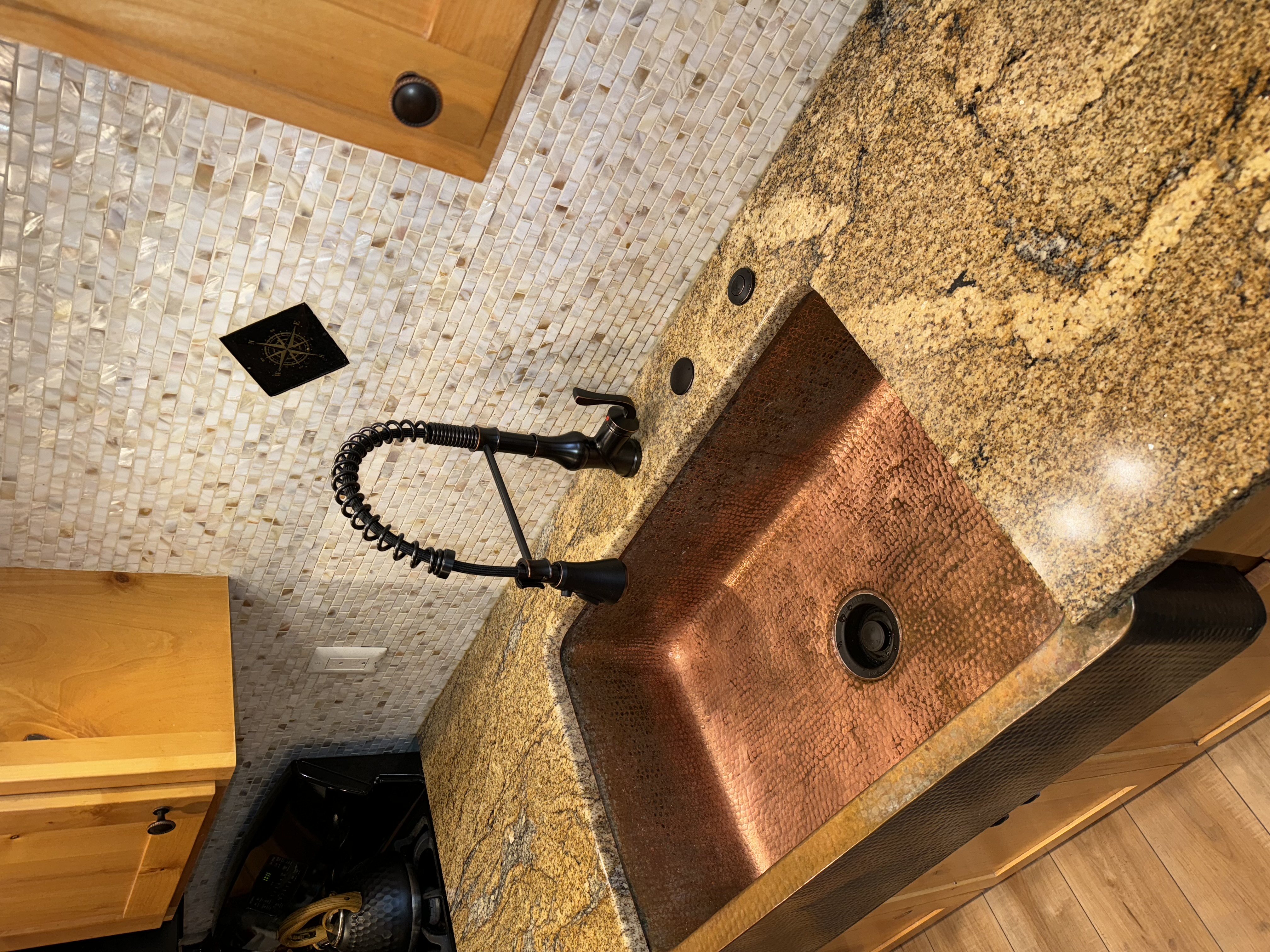
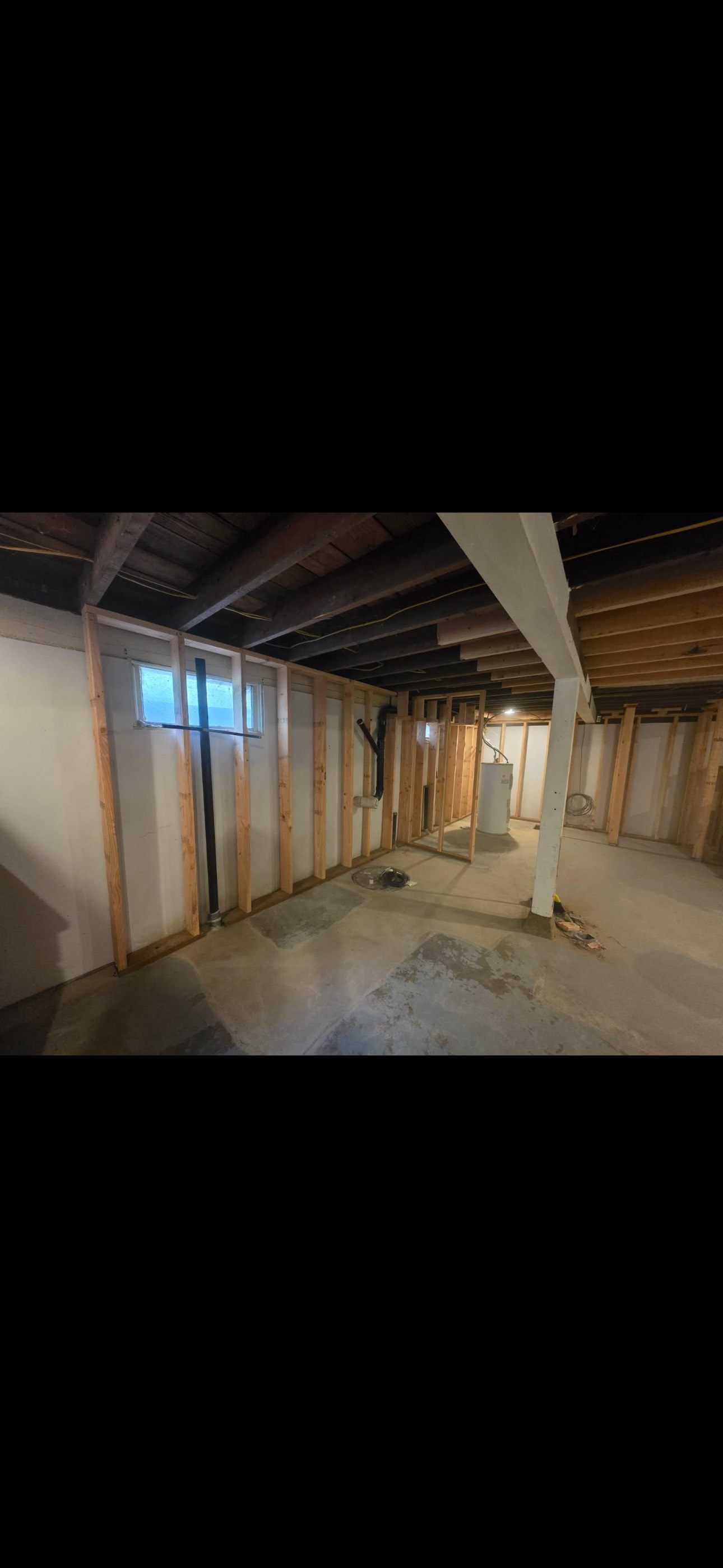
Masonry and concrete stem walls with minimal framing cavities force surface-mount routes or soffits. In historic homes, aesthetic choices matter. Copper surface runs look intentional if you plan them, but they add material cost.
Engineered flooring and ornate crown moldings limit where you can open the ceiling from below. Where attic access is tight, working crouched among trusses slows production. Stairs often hide great vertical chases, but some stairs are boxed tight with blocking at midpoints. You learn to read the house, and sometimes you still hit a surprise.
Fire blocking and draft stopping must be restored. Two-story homes often have strict requirements at penetrations between floors and at garage separations. Skipping this is not an option. Budget for fire caulk, intumescent pads at boxes near penetrations, and inspector walk-backs to confirm.
Homes with recirculating hot water loops add a layer. A dedicated return line or a smart demand pump changes routing. Recirc loops save wait time at distant fixtures, but they can increase heat loss if insulation is poor. Modern pumps with motion or timer controls strike a balance.
What repiping does for everyday life
You will notice two things immediately when a repipe is done right: cleaner water and steadier temperature. In galvanized systems, rust makes faucets spit at first use and stains laundry. New lines end that. With properly balanced sizing and full-bore valves, the usual toilet-flush scald fades into memory. Noise drops, too. Water hammer is less frequent with secure strapping, expansion control, and proper arrestors at quick-closing appliances.
Maintenance becomes simpler. Freshly installed shutoffs at every fixture keep small repairs civil. If a cartridge fails in the upstairs shower, you do not need to kill the whole house to fix it. The main shutoff is clearly labeled and reachable, not hidden behind an ivy-covered hose bib.
A realistic budget for a few common scenarios
Every house tells its own story, but patterns emerge. Here is what I have seen repeatedly across the last two years, carried forward with 2025 pricing.
A 2,100 square foot, two-and-a-half bath, builder-grade two-story with attic access and drywall ceilings, PEX-B trunk-and-branch, new angle stops and supply lines at all fixtures, drywall patch and paint included, permits and two inspections. Price band: roughly 11,500 to 15,500, three to four plumbing days plus two finishing days.
A 2,400 square foot home with three full baths including a primary suite over the garage, PEX-A manifold with dedicated runs to showers and tubs, copper stubs at water heater and exterior hose bibs, new main PRV and expansion tank, attic insulation disturbances re-placed, walls fully painted to corners in patched rooms. Price band: 15,000 to 19,000, four plumbing days plus two to three finishing days.
A 2,000 square foot older home with plaster walls, limited attic access, partial surface-mounted copper in basement and garage, PEX elsewhere, careful patching and skim coat to blend textures, historic color match. Price band: 18,000 to 24,000, five to six plumbing days plus three to four finishing days.
If your bids sit far outside these ranges without a clear reason, ask for a line-by-line breakdown. Sometimes the contractor included drain repairs, water service upsizing, or slab leak localization. Those are valid adds, but they should be clearly labeled.
Permitting and inspection notes that matter
Municipalities vary. In some counties, replacing accessible like-for-like does not require a permit, but whole-house repipes generally do. The inspector will look for pipe sizing, support spacing, nail plates at penetrations within code distances, fire stopping, dielectric unions where required, water heater safety devices, and pressure test results.
Plan for a test at or near 100 psi for a set duration. I prefer to test at 120 psi with water when possible, then drain down to code-specified test levels before inspection. Air testing is sometimes used to avoid flooding risk before cutover, but it is less forgiving and can be dangerous if mishandled. Experienced crews test with both methods at different stages to catch issues early.
If your home has a residential fire sprinkler system, do not let anyone tie domestic water into that loop without a clear engineered design. Those systems have their own codes. A separate domestic repipe should respect the sprinkler network, not compromise it.
Where homeowners can save without sacrificing quality
Demolition and access prep are the obvious levers. If you can move furniture, pull down closet shelving, and clear under-sink cabinets before day one, the crew moves faster. Some homeowners choose to handle painting after the plumber’s drywall patching. That can trim 500 to 2,000 dollars, depending on the scope and finish quality you expect.
Do not skimp on shutoffs, hammer arrestors at laundry and dishwasher, or fire stopping. Those are small money and large peace of mind. Likewise, resist the urge to undersize lines to save material. Modern low-flow fixtures still deserve correctly sized mains to keep simultaneous use comfortable.
If your line from the meter is constricted or old, do the upsizing while crews are mobilized. The marginal cost is lower when the trench is open or the permit is active. The same logic applies to replacing aging hose bibs and installing a whole-house sediment filter, especially on well water.
Warranty and lifespan expectations
A well-installed PEX system in a two-story home should run trouble-free for decades. Many PEX manufacturers warrant pipe for 25 to 30 years when installed per spec. Copper plumbing routinely lasts longer, but water chemistry, stray current, and workmanship drive outcomes more than raw material. The labor warranty from your contractor matters most. Look for at least two years on labor, five is better, and make sure service response is spelled out. If a fitting weeps at month 18, you should not be negotiating trip charges.
Keep records. A simple diagram showing manifold locations, shutoff valves, and routes through closets will save hours later. Label the main shutoff and fixture shutoffs. After the job, take photos of patches before paint for your file. If you sell the home, a tidy packet of permits, inspection results, and the repipe scope calms buyers and appraisers.
Final thoughts from the field
Repiping a two-story home is Repipe Plumbing Clackamas one part logistics, one part craftsmanship, and one part house whispering. The crew that walks your home and talks in specifics typically does better work than the one that waves a hand and promises no dust. 2025 pricing reflects labor markets more than pipe costs, so the cheapest bid is often light on service. A fair number with clear scope and clean finishing tends to be the sweet spot.
If you suspect your home is due, do not wait for the ceiling bubble. Call three licensed contractors with strong repipe plumbing experience, not just general service plumbers. Ask the seven questions, compare apples to apples, and choose the team whose plan matches the way your home is built. Your future self, standing under a steady, hot shower while the washing machine runs, will thank you.
Business Name: Principled Plumbing LLC Address: Oregon City, OR 97045 About Business: Principled Plumbing: Honest Plumbing Done Right, Since 2024 Serving Clackamas, Multnomah, Washington, Marion, and Yamhill counties since 2024, Principled Plumbing installs and repairs water heaters (tank & tankless), fixes pipes/leaks/drains (including trenchless sewer), and installs fixtures/appliances. We support remodels, new construction, sump pumps, and filtration systems. Emergency plumbing available—fast, honest, and code-compliant. Trust us for upfront pricing and expert plumbing service every time! Website: https://principledplumbing.com/ Phone: (503) 919-7243